A moment of sadness
When Russia attacked Ukraine in February 2022, I felt an overwhelming sadness. Having been in combat, and lost brothers and sisters in arms, I could not escape the knowledge that innumerable men, women, and children would lose their lives, or have their minds and bodies ravaged by war. I was also appalled, but not really surprised, that Vladimir Putin had chosen to go to war in Ukraine. Sadly, he was somewhat justified in thinking he would achieve a rapid success, leaving his adversaries few options.

Source: http://www.gwpda.org/photos
The Ukrainian rose to the challenge, employing a combination of Soviet-era weapons and Western technology and training to stop and in some places turn back the invaders. Now, eighteen months into the conflict, this war has become an odd mix of old and new: a brew of World War I-vintage trenches, landmines, and machineguns coupled with state-of-the-art drones spotting for GPS-guided artillery. How will this end?
Endgame?
Sadly, I fear that the First World holds a clue. With Russia able to draw on sufficient men and equipment to fight a defensive war, and the West keeping Ukraine in the fight, it is unlikely either side will achieve the elusive “breakthrough” that generals sought on the Western Front just over a hundred years ago. More likely, the two sides will grind away until one or the other suffers some form of collapse. In 1918 the last great German offensive failed, and when the Allies began to counterattack, an exhausted German could no longer sustain the fight.

ource: Government of Ukraine
I am optimistic that Russia will collapse first: perhaps its troops will refuse to fight, a power broker will eliminate a weaken Putin, or the Russian people will say “Enough!” I fear a world in which Russia is victorious and Putin remains in power.
Whatever the outcome, innumerable men, women, and children on both sides of the front line will lose their lives, and have their minds and bodies ravaged by this war. That is the never-changing cost of war.

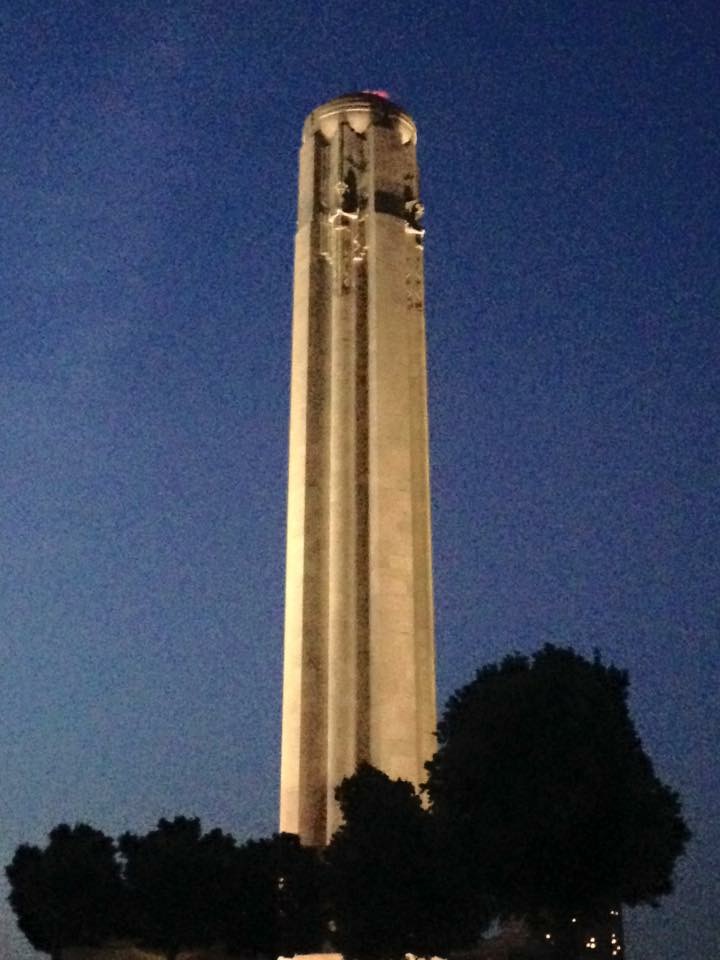
 Last week I was able to catch much of the live stream of the ceremony marking the Centennial of America’s entry into the Great War. It was wonderfully done, reflected multiple perspectives, and offered insights into the impact that moment had on America and the world. The ceremony wrapped up with a rousing rendition of “Over There.” As I hear the lines “We’ll be over, we’re coming over,” I realized I had tears in my eyes. I wondered, “How could a hundred year-old song move me to tears?” I suppose the reason is because my own experience of war gave me at least a little glimpse into what was in store for the young men and women headed “Over There.”
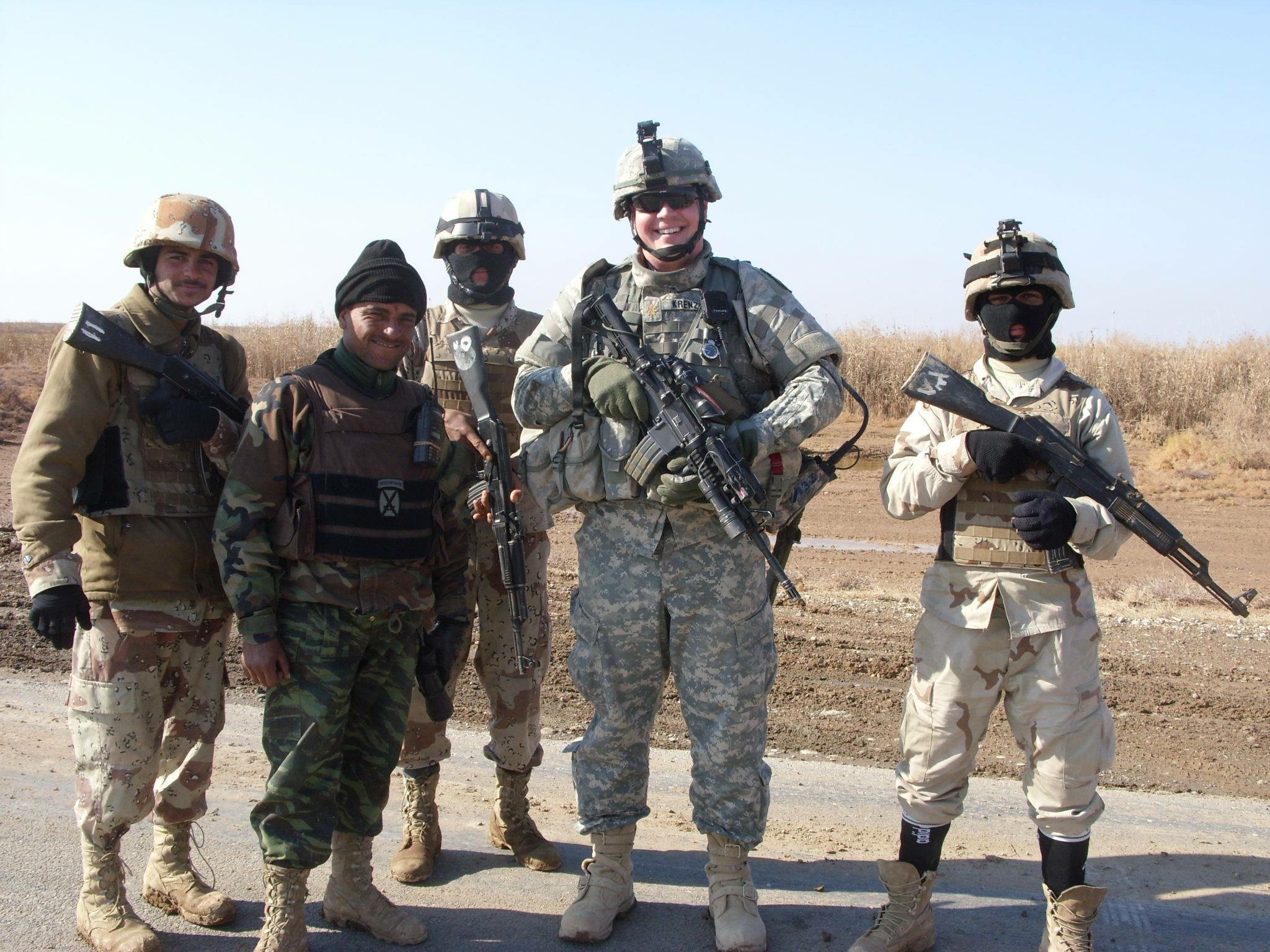 “Over There,” a little bit of “Over There” comes back HERE. Some return better people than when they left. Some returned shattered by their experiences. For most, it is somewhere in between. I can only imagine what went on the minds of veterans of the Great War; I know that I carry a bit of my wars with me wherever I go. If I move over when I pass a broken-down car on the side of the road, it’s to give me room in case the car explodes. If I duck during the weekly tornado siren test, it’s not because I was startled, it’s because in Afghanistan sirens meant a rocket was inbound. If I spend an hour and a half on the phone with someone I’ve not spoken to for years, it’s because at one time he and I were ready to give our lives for each other, and that is a bond that will never be broken.


 Robert Krenzel